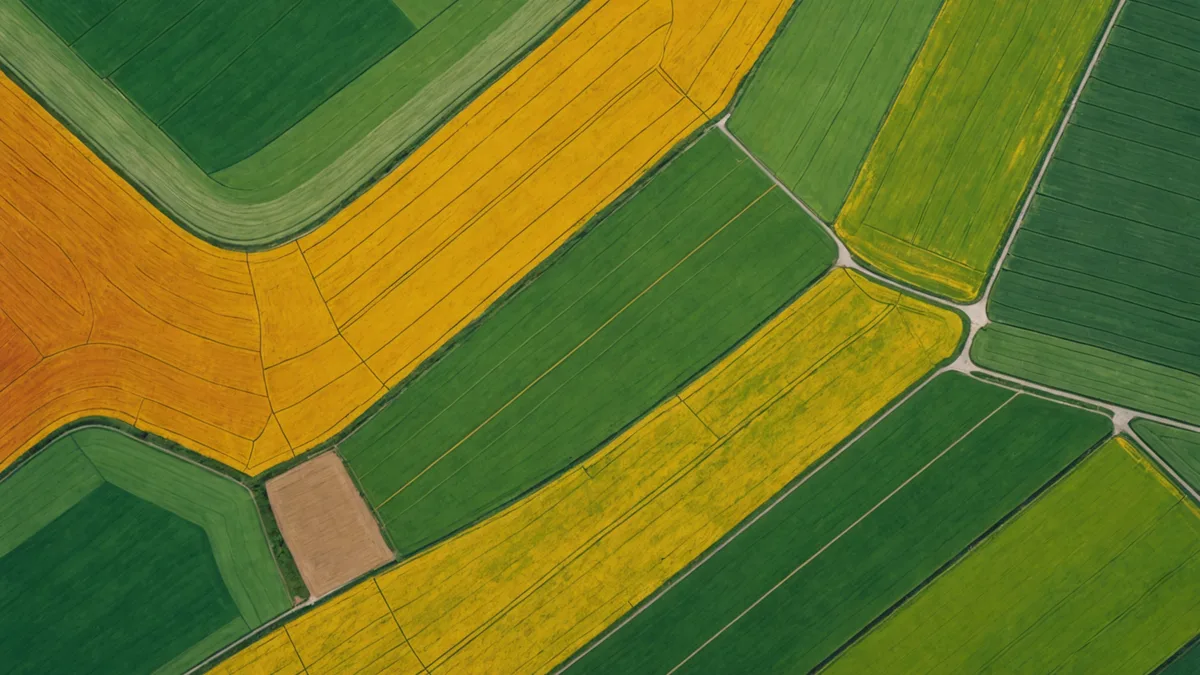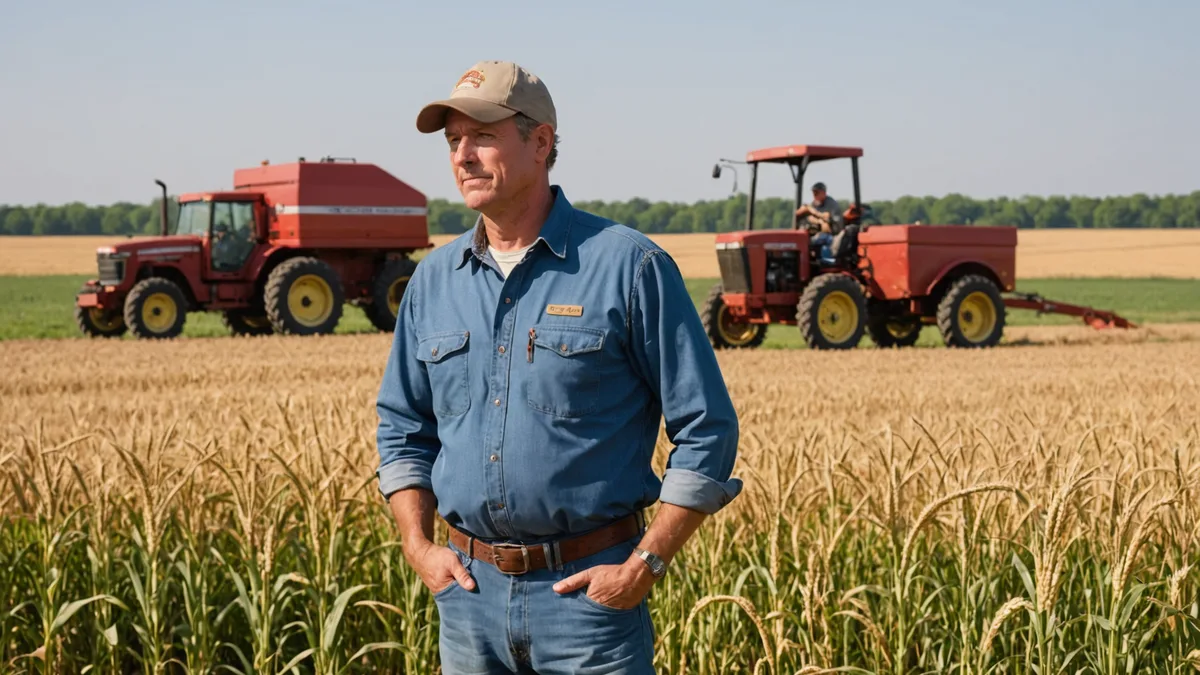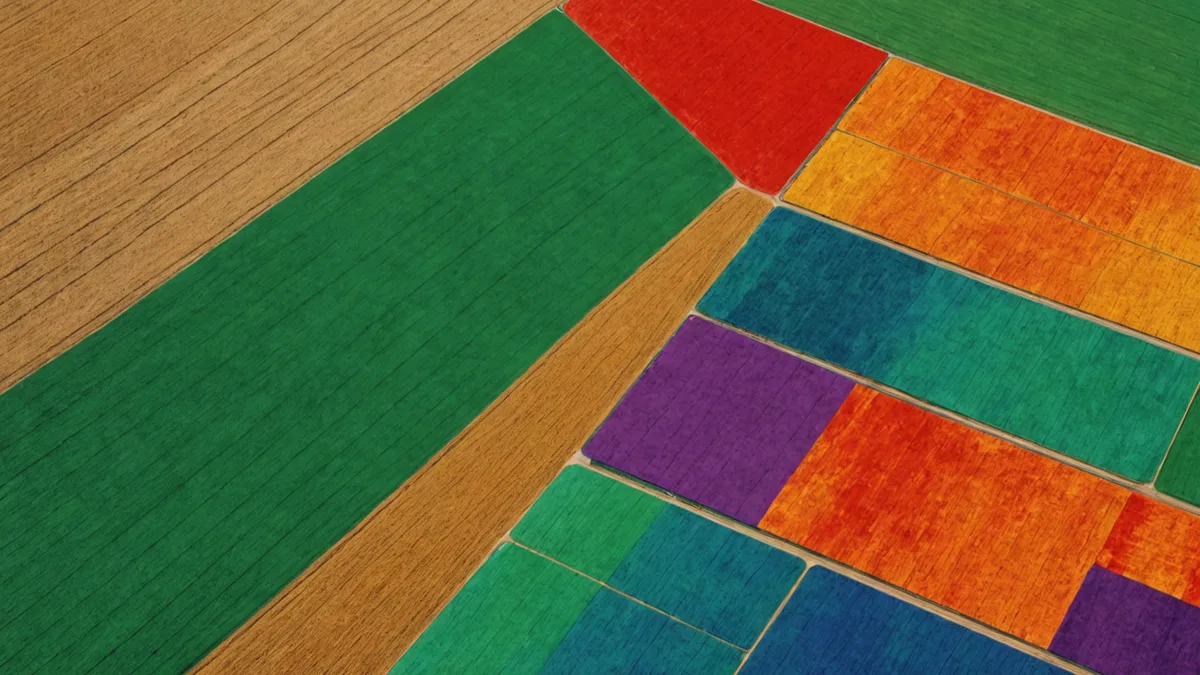
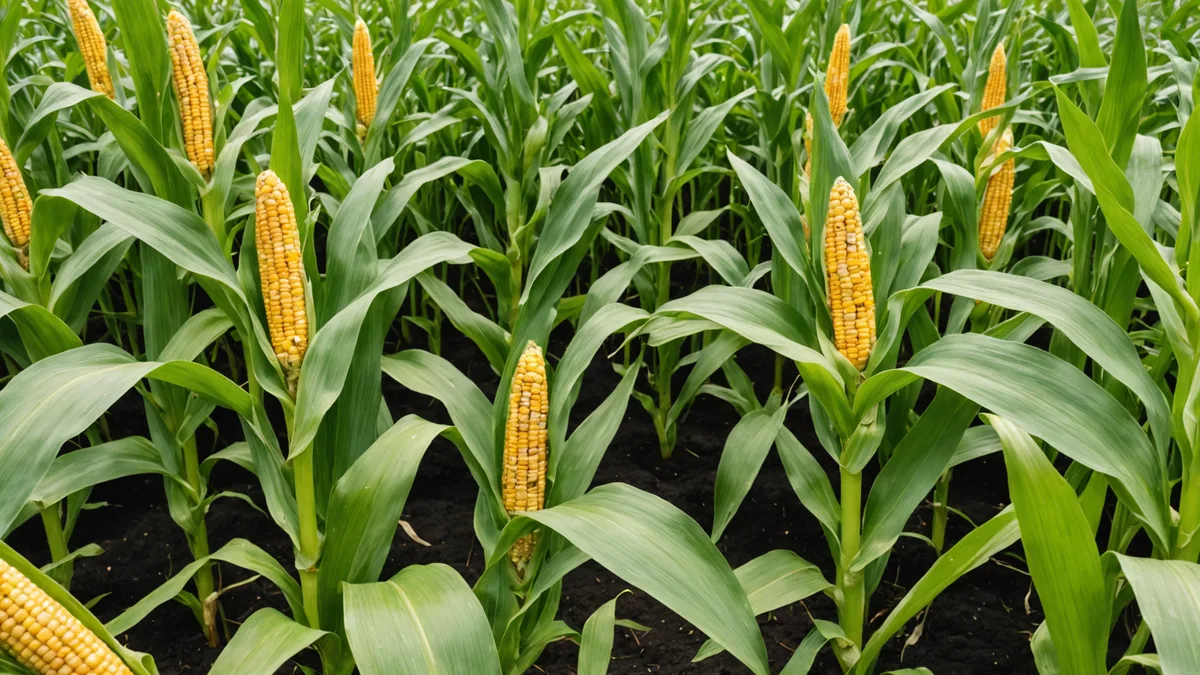
Nitrogen Timing in Corn: Where Satellite Monitoring Fills the Gaps
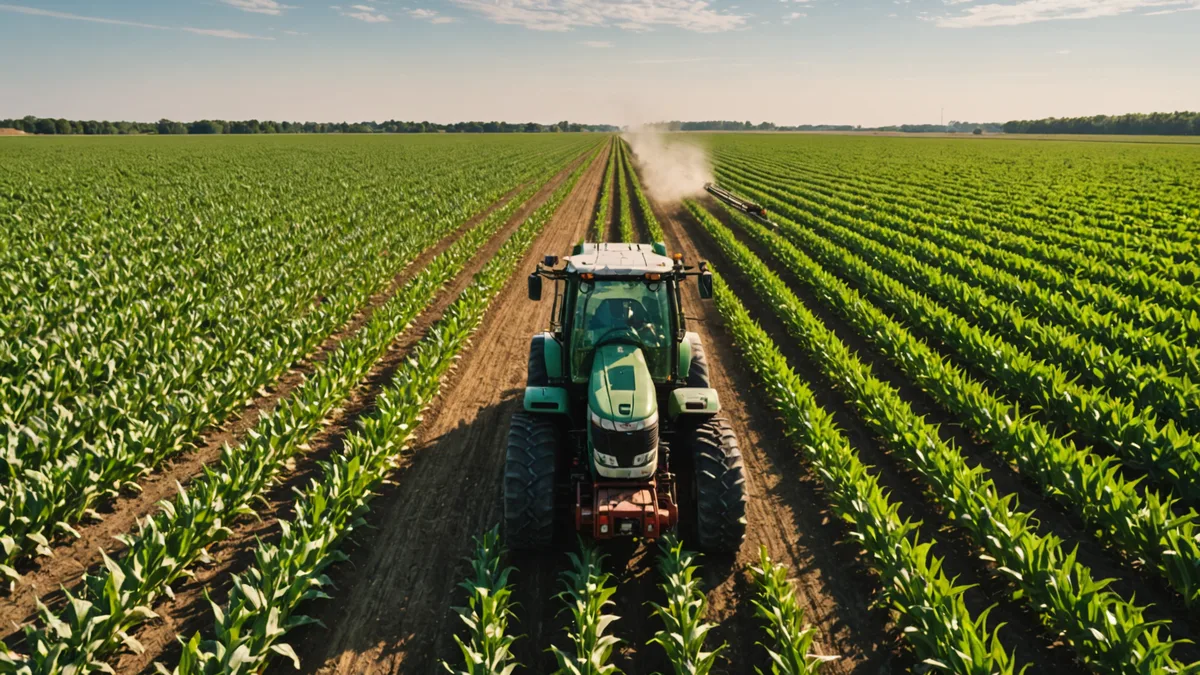
Side-dress decisions depend on catching nitrogen stress early. Here's how satellite NDVI tracking changes the timing game for corn operations.
Read moreField Intelligence Journal
Practical insights on satellite imagery, NDVI analysis, crop stress detection, and field management for independent row-crop operations.
All Articles
Side-dress decisions depend on catching nitrogen stress early. Here's how satellite NDVI tracking changes the timing game for corn operations.
Read moreNDVI-based pest detection has real limits and real advantages. Understanding both tells you when to trust the satellite and when to put boots in the field.
Read moreDrawing boundaries on a map is the first precision ag decision. Get the zones wrong and every downstream action is fighting the wrong spatial unit.
Read moreAgronomists manage too many acres to scout on rotation. AI-powered imagery analysis shifts the question from "where do I go?" to "which anomaly do I investigate first?"
Read moreA satellite that revisits every 10 days misses the stress window for most acute crop problems. Understanding the timing math helps you evaluate any satellite-based product.
Read moreThe gap between "satellite shows stress" and "prescription file ready for the applicator" is where most growers get stuck. Here's the workflow from anomaly to action.
Read moreMost satellite platforms hand you a map and stop. The interpretation step, translating what the NDVI shows into what you actually do, is where independent growers need the most help.
Read moreThermal imagery from drones captures canopy temperature variation at sub-meter resolution. The agronomic patterns it reveals are different from what NDVI sees, and knowing the difference matters.
Read moreEnterprise precision ag systems are built for 50,000-acre corporate operations. Independent growers running 1,000-5,000 acres need a different set of tools and a different budget calculus.
Read moreStay Updated
New articles on precision ag and crop monitoring. No more than twice a month.